YOICHI
OKAMOTO
NOVEMBER 15
September 15 -
November 15



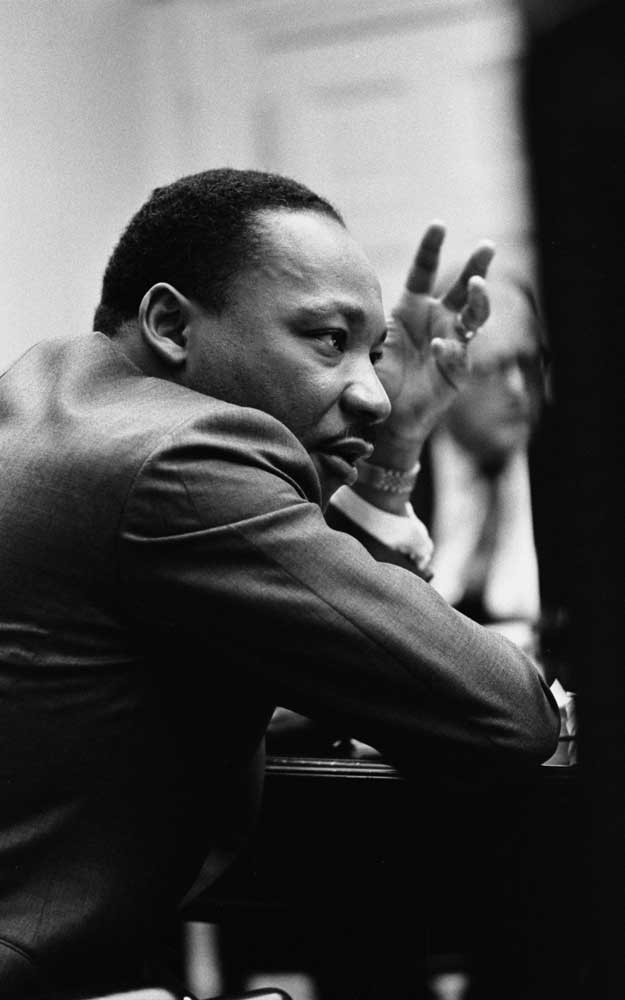
Photographer in the Service of Democracy
Before the White House, there was Central New York.
Long before Yoichi Okamoto entered the Oval Office with a camera, he was finding his way in Central New York. At Colgate, in the ballrooms of the Hotel Onondaga and inside a Syracuse newsroom, he learned to watch closely and catch the moments others missed. When the Army turned him away, people here stood up for him. His extraordinary career did not just pass through this region. It began here.
1938
Finding His Way at Colgate
Okamoto graduated from Colgate University in Hamilton with a degree in politics and economics—not photography. But Central New York was where he began finding his direction. The career was still ahead of him. The curiosity, independence and instinct to look beneath the surface were already there.
1938
Learning to Catch the Moment
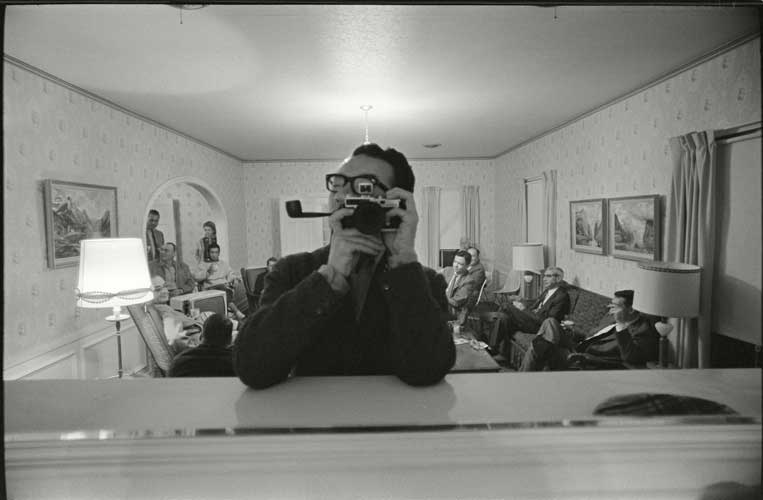
At Syracuse’s Hotel Onondaga, Okamoto roamed the ballroom floor with his camera. He photographed people laughing, raising a glass or leaning into conversation—too absorbed to pose. Here, he began learning the skill that would define his work: how to be present without getting in the way.
August 1939
Finding His Place in the Newsroom
The Syracuse Post Standard hired Okamoto as a staff photographer in August 1939. He quickly looked beyond the expected handshakes and ceremonial poses. He watched for what happened around them—a glance, a gesture, a moment no one had planned. Syracuse was where he learned to find the story inside the event.
January 6, 1942
The City Stands Up for Him
Weeks after Pearl Harbor, Okamoto went to enlist. The Army turned him away because of his Japanese ancestry. But Rolland B. Marvin the mayor of Syracuse and an Army major intervened on his behalf. With their support, he was sworn in on January 6, 1942, becoming the first Nisei enlistee from the New York area. The city that helped launch his career also helped him serve his country.
Two decades later, he would serve his country again—this time, from inside the White House.
A presidency from the inside.
L.B.J.
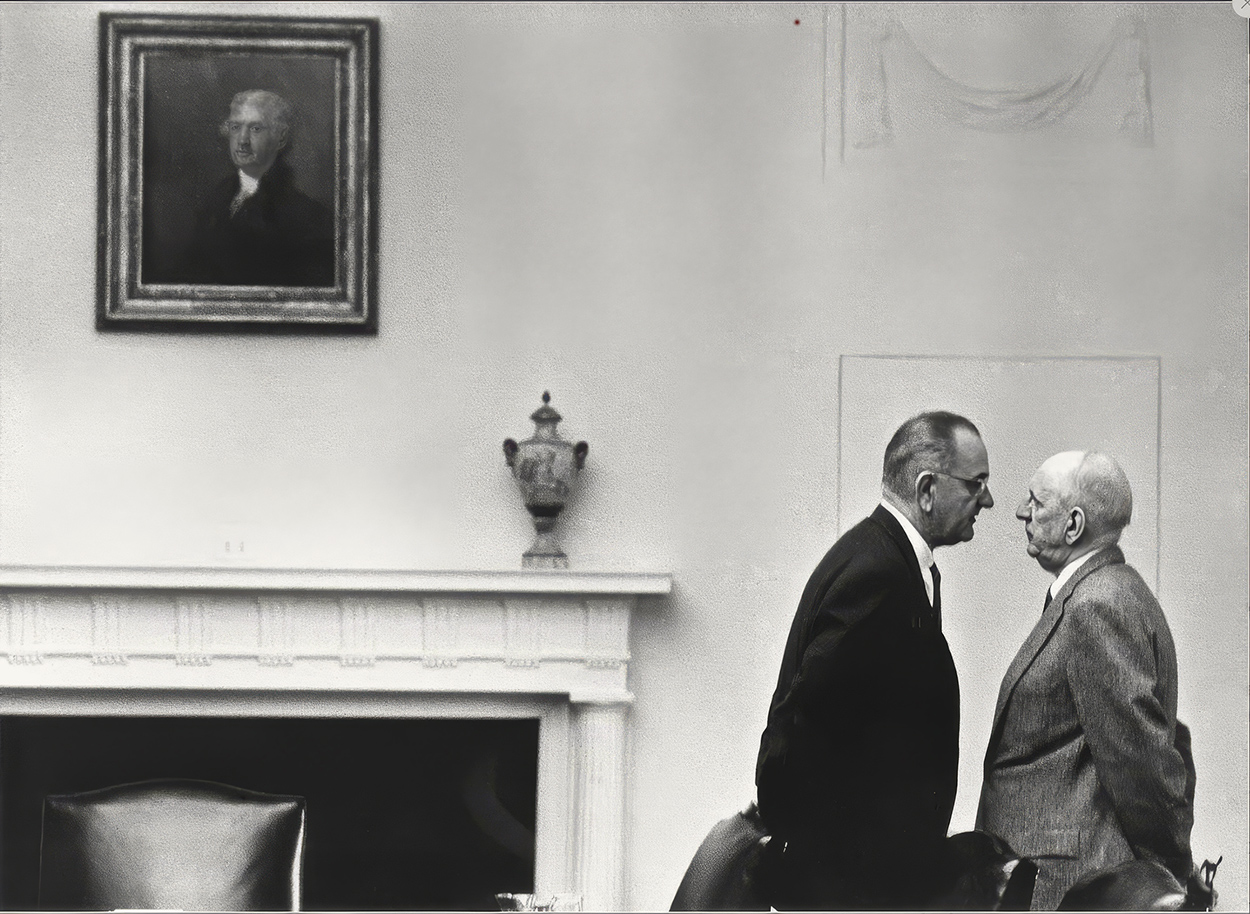
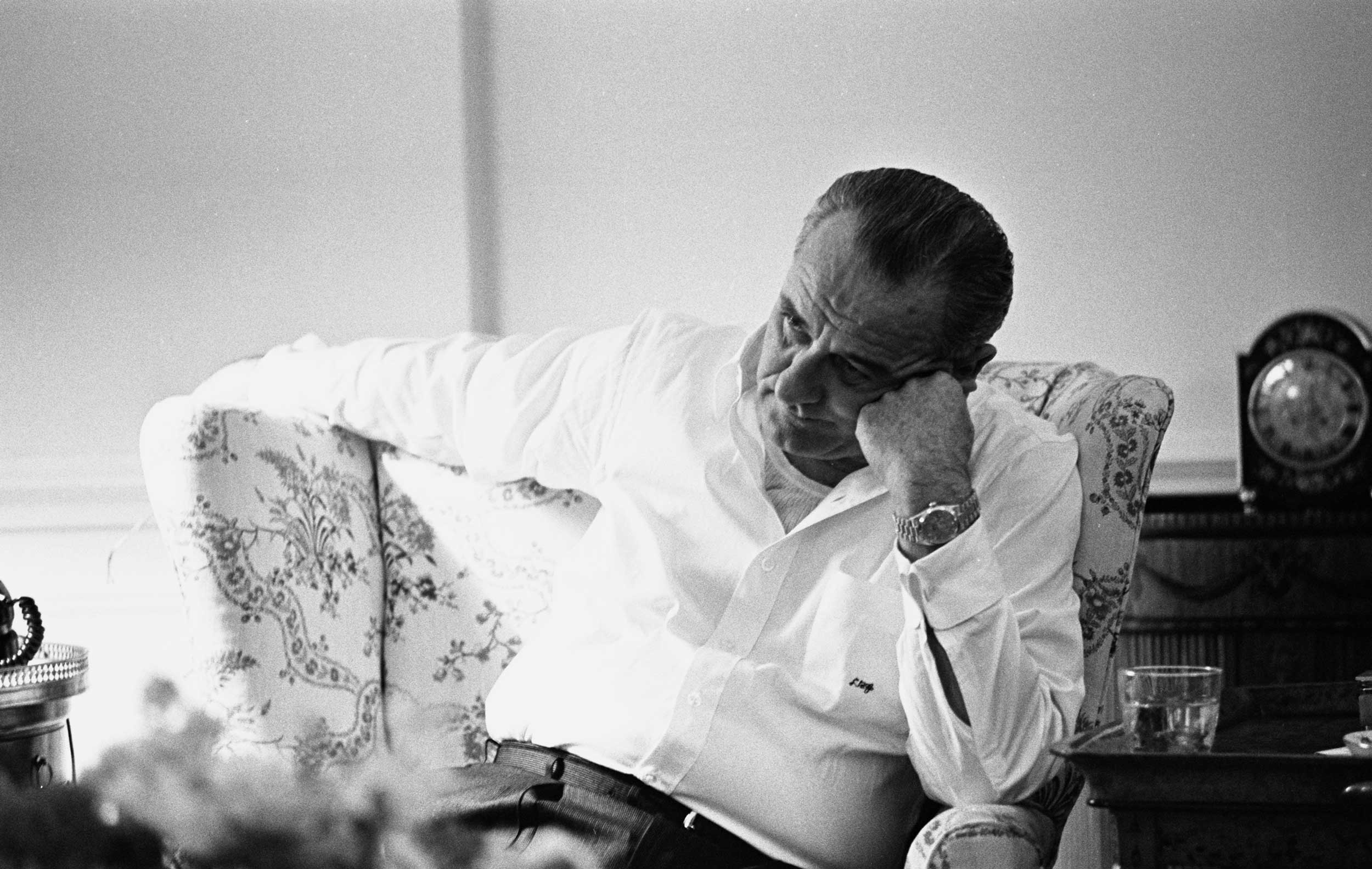
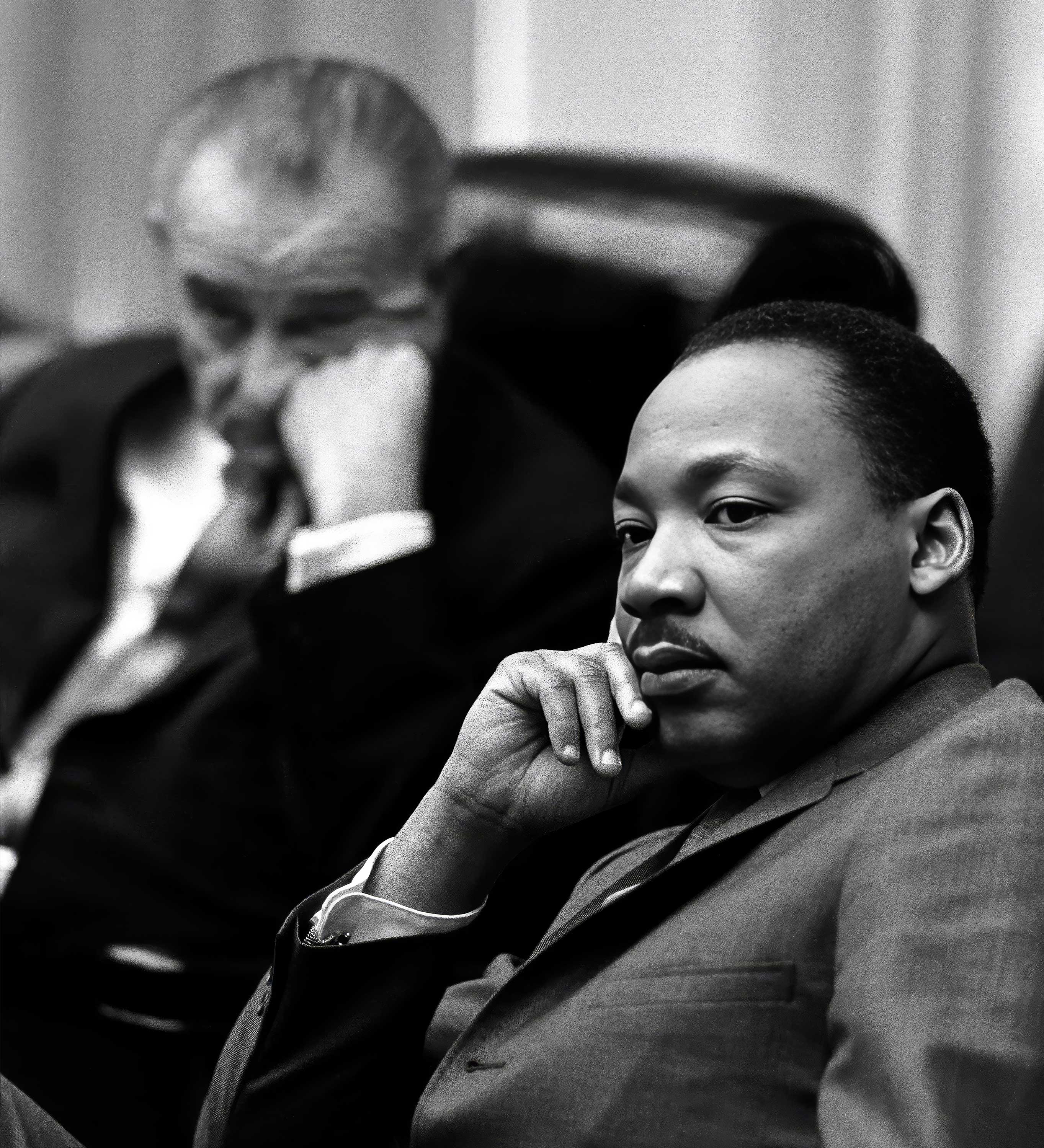
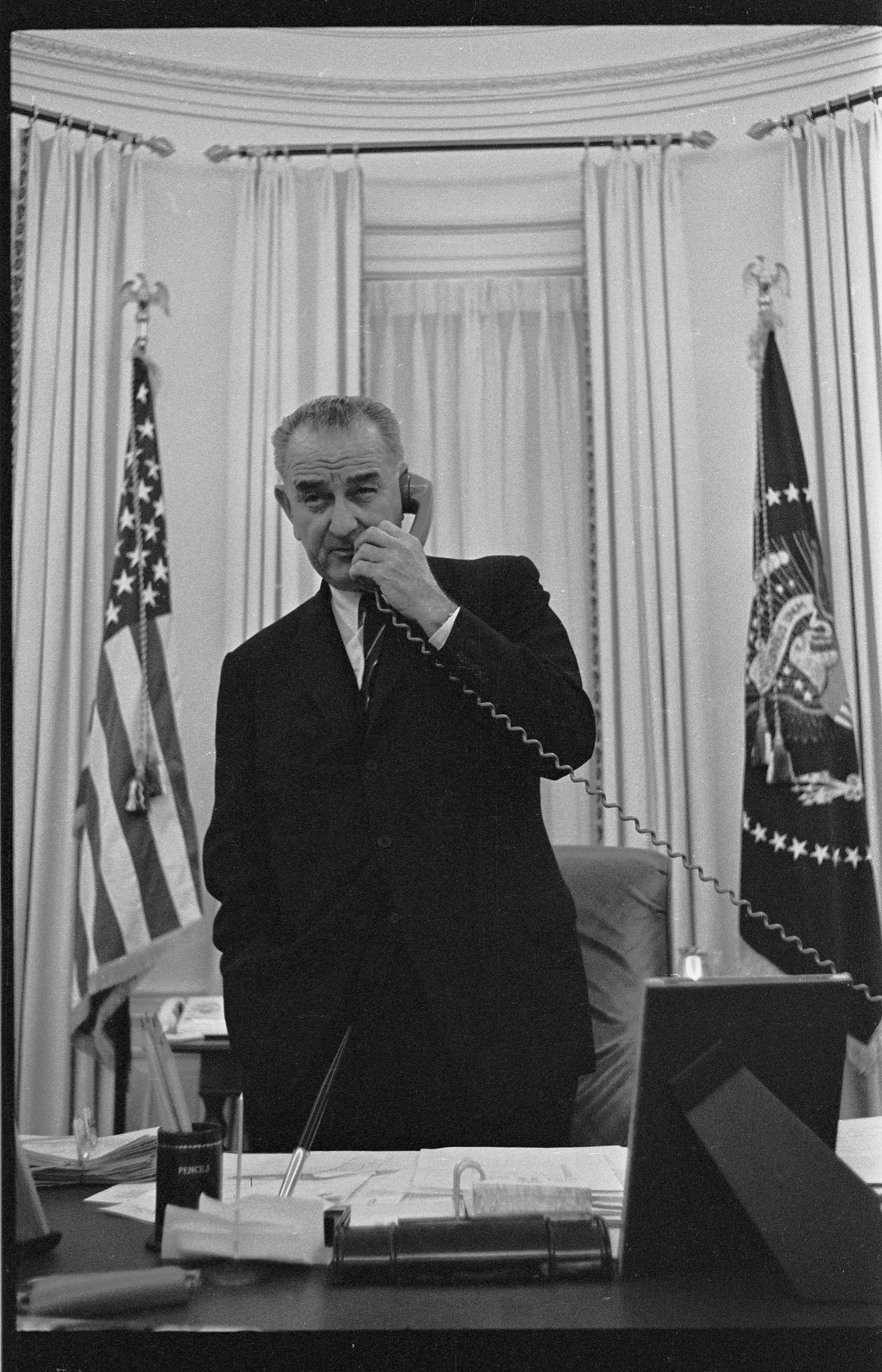
As President Lyndon B. Johnson’s photographer, Okamoto had extraordinary access. He was there for strategy sessions, late-night meetings, difficult negotiations and the quiet moments between decisions. His photographs captured not only what happened, but how it happened.
What he recorded was not a simple story of triumph. Landmark legislation unfolded alongside racial unrest, the escalating war in Vietnam and a country pulling apart. Okamoto’s camera stayed in the room for all of it—revealing democracy as human, imperfect and always a work in progress.
“I figured that the responsibility would be to the historian of five hundred years from now—not the picture for public relations, but the pictures I could get if they were honest.”
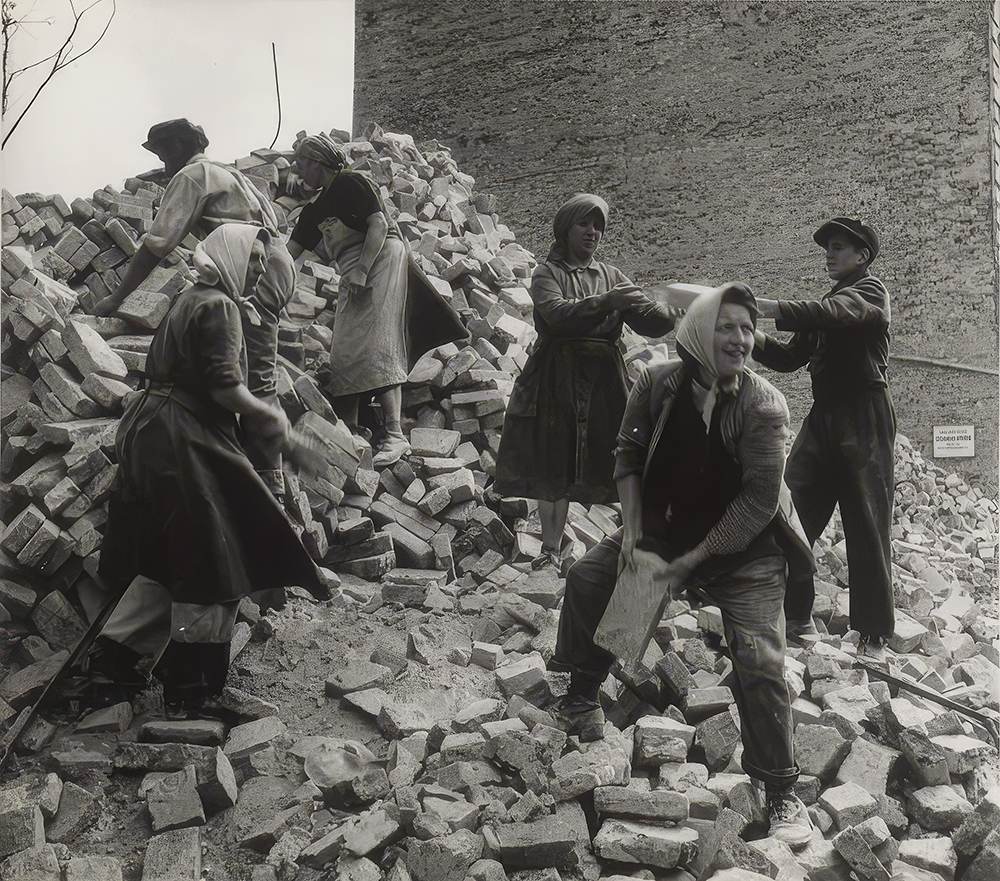
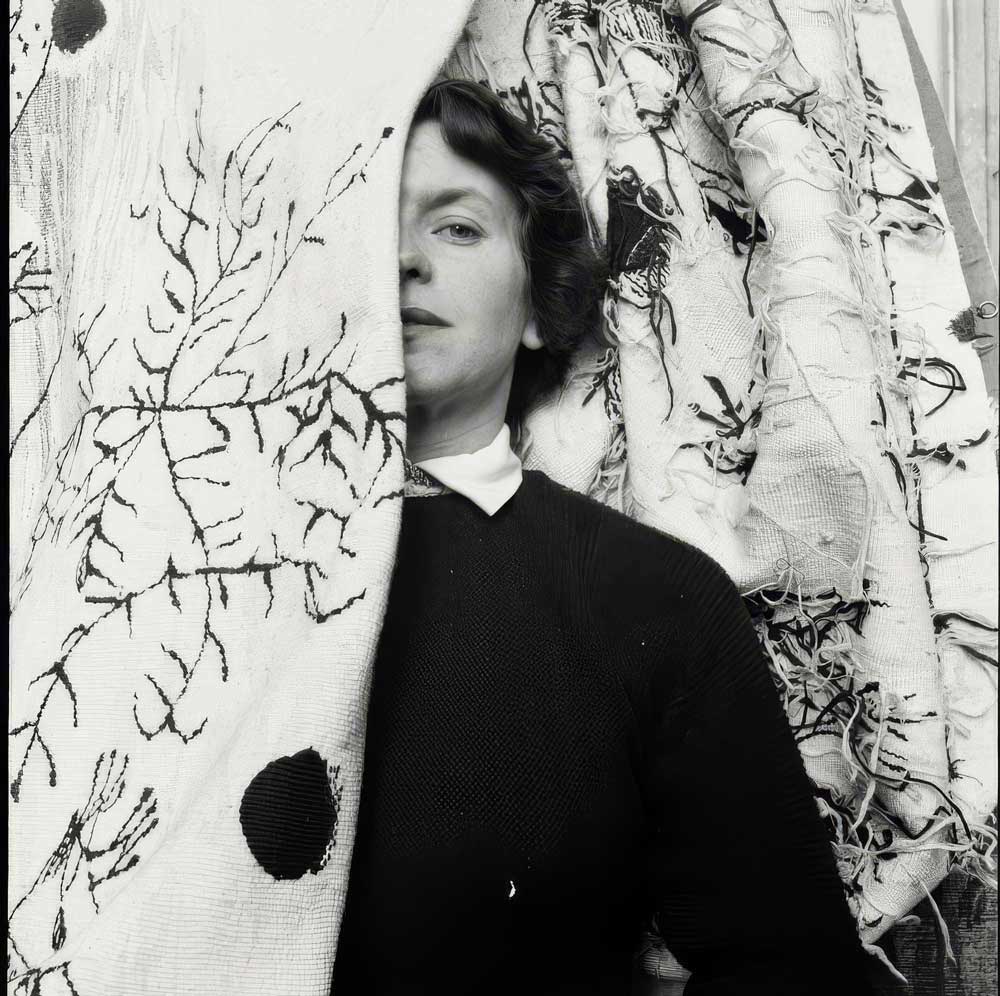
Rebuilding through a lens.
His photographs found recovery in everyday life: factories reopening, trains running, schools filling and artists returning to their work. He also trained a generation of young Austrian photographers. Through his camera, democracy became more than an idea. It was something people could build, practice and see taking shape around them.
201 East Washington Street, Syracuse, NY
Saturday & Sunday: 12:00pm to 8:00pm
Austrian Embassy Washington
Austrian National Library
Ayni Brigade
Botstiber Institute of Austrian-American Studies
Bousquet Holstein PLLC
Central Current, Inc.
CNY Arts, Inc.
Dorothy and Marshall M. Reisman Foundation
Kevin Duke
Laurence G. and Lauri Pepe Bousquet
Lyndon Baines Johnson Presidential Library
Onondaga Historical Association
Syracuse University Libraries
Today’s Seeds